

Negotiating a Landmark: The Unseen Advantages of a Top 1% Realtor in a Historic Market
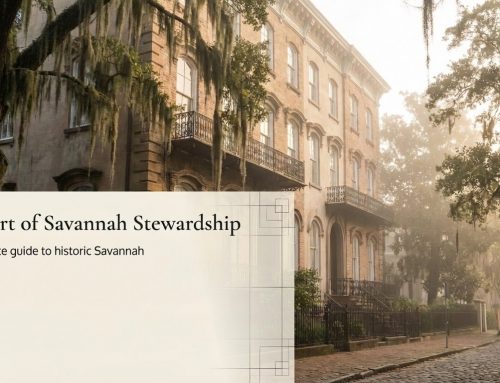
Your home is more than bricks and mortar—it’s a piece of Savannah’s soul. It stands beneath a canopy of centuries-old oak trees, framed by wrought-iron gates that have witnessed generations of history. The stories held within its walls are a part of the city’s enduring narrative, and as its owner, you are more than a resident; you are a steward of this legacy.
When the time comes to pass this stewardship to another, the reality of selling such a property can be profoundly complex. It is not merely a transaction; it is the transfer of a landmark. The stakes—both financial and emotional—are incredibly high. This raises a central question: when negotiating the sale of a piece of Savannah’s history, what is the difference between a standard agent and an elite, Top 1% Realtor? The answer lies in the unseen advantages that protect both your significant investment and your home’s unique heritage. At the Heather Murphy Real Estate Group, we understand that this process demands a luxury experience, and we are dedicated to exceeding every client’s expectations.
Key Takeaways
- Standard Valuations Fail: Historic Savannah homes possess intangible value from their architecture, provenance, and character that a standard comparative market analysis cannot capture.
- Navigational Expertise is Crucial: Selling a historic property involves complex challenges, including Savannah’s Historic Review Board regulations and finding truly qualified buyers who appreciate the responsibilities of ownership.
- Negotiation is Multi-Layered: A top-tier Realtor negotiates far beyond the final price, skillfully managing repair requests, appraisal gaps, and contingencies to protect your equity.
- An Elite Network is Invaluable: A Top 1% team doesn’t wait for buyers; they leverage a curated network of high-net-worth individuals and specialists to find the perfect match for your landmark property.
The Unique Challenges of Selling a Savannah Historic Home
To secure the best possible outcome, one must first appreciate the distinct hurdles of this market. Your anxieties about the process are valid, born from a unique set of challenges that do not exist in conventional real estate.
The Pricing Paradox: Art vs. Science
Standard real estate pricing relies heavily on a Comparative Market Analysis (CMA), which compares your property to similar, recently sold homes. But what happens when your home has no true comparison? How do you quantify the value of original heart pine floors, intricate plasterwork, or a provenance tied to one of Savannah’s founding families? A standard CMA often fails, as it cannot account for the intangible, artistic value inherent in Savannah’s diverse architectural styles. Pricing your legacy becomes a delicate balance of art and science, requiring deep market insight that goes far beyond a simple algorithm.
Navigating the Labyrinth: The Historic Review Board and Local Nuances
Living in a Savannah historic home means adhering to specific preservation guidelines, often overseen by the Savannah Historic District Board of Review. These regulations, while essential for preserving the city’s character, can be a labyrinth for potential buyers. An inexperienced agent may not know how to properly explain these nuances, leading to buyer apprehension, complicated inspections, and difficult repair negotiations. From understanding permit requirements for renovations to contextualizing the property’s protected status, this is a critical area where expert guidance is non-negotiable.
The “Qualified Buyer” Problem: Finding a Steward, Not Just a Spectator
Your home will attract many admirers, but not all are qualified buyers. The challenge lies in sifting through the spectators drawn to the romance of historic living to find the serious stewards who understand the financial and custodial responsibilities involved. Marketing a landmark property requires a targeted, sophisticated strategy aimed at a niche audience. It’s about finding a buyer who doesn’t just see a house, but an irreplaceable investment opportunity and a piece of history they are honored to preserve.
Why “Good Enough” Isn’t Good Enough: The Pitfalls of a Standard Approach
In a market this specialized, the “all agents are the same” mentality is a costly misconception. A standard approach, sufficient for a typical property, can lead to significant financial and contractual pitfalls when applied to a historic home.

Leaving Money on the Table: The Cost of Inexperienced Negotiation
An average agent might focus solely on achieving the list price, believing their job is done. However, the most critical financial negotiations often happen after the initial offer. An inexperienced negotiator may concede too much on repair requests, fail to strategically structure contingency periods, or be unable to defend the price against a low appraisal. These missteps in the finer points of how to negotiate real estate deals can easily cost a seller tens of thousands of dollars, eroding the equity you have worked so hard to build.
The Deal-Breaker Details: When Inspections Go Wrong
A typical home inspection report on a 150-year-old home can look alarming to a buyer accustomed to new construction. Mentions of settled foundations, original wiring, or antiquated plumbing can terminate a deal if not properly contextualized. A standard agent may lack the experience to proactively address these items or to explain to the buyer that many of these “flaws” are normal characteristics of a historic structure. An expert, however, knows how to frame these findings, separating reasonable requests from unrealistic expectations and saving the sale from collapsing over predictable issues.
A Transaction vs. a Transition
Ultimately, a standard agent often views the sale as a transaction—a series of checkboxes to be ticked on the way to a commission. But selling a landmark property is a transition. It requires a high-touch, consultative partnership built on deep expertise and unwavering advocacy. It demands a level of professionalism and a bespoke strategy that a transactional mindset simply cannot deliver.
The Top 1% Difference: Unseen Advantages in Action
This is where the distinction of a Top 1% Realtor becomes clear. It is not just a title; it is a credential that signifies a mastery of the unseen skills that define a successful landmark sale.
Advantage #1: Masterful Valuation—Pricing Your Legacy with Precision
A Top 1% Realtor doesn’t just pull comps; they build a compelling value story. They draw upon a wealth of experience, backed by data from transactions like our team’s $1.3 billion in sales, to understand the nuances of the luxury and historic markets. They leverage an exclusive network of appraisers, historians, and fellow top agents to pinpoint what discerning buyers are truly willing to pay for unique character. This allows for a pricing strategy that is both ambitious and defensible, ensuring you know what your home is worth and don’t leave its unique value unrewarded.
Advantage #2: Proactive Problem-Solving—The Pre-Negotiation
The best negotiation happens before an offer is even written. An elite agent anticipates challenges. They may advise on a pre-listing inspection to identify and address potential issues upfront. They gather documentation on the home’s history, renovations, and maintenance, creating a comprehensive portfolio for buyers. By framing the home’s unique characteristics as features, not flaws, they disarm the buyer’s potential negotiation tactics before they can even be deployed.

Advantage #3: The Art of Multi-Layered Negotiation
For a Top 1% professional, negotiation is a sophisticated art form that extends far beyond the final number. They skillfully manage:
- Repair Requests: They possess the crucial knowledge to differentiate between a necessary repair and a buyer’s attempt to modernize a historic home at the seller’s expense.
- Appraisal Gaps: When an appraiser struggles to find comparable sales, a top agent is prepared with a robust package of documentation to defend the home’s unique value and bridge a potential appraisal gap.
- Contingency Timelines: They structure the contract with timelines and contingencies that protect the seller’s interests, minimizing risk and ensuring a smooth path to closing.
Advantage #4: The Matchmaker’s Network—Access to the Right Buyers
This is the essence of the Heather Murphy Real Estate Group’s philosophy: “We are real estate matchmakers.” A Top 1% team does not simply list a home on the MLS and hope for the right buyer to appear. We maintain a curated database of high-net-worth individuals, corporate relocation clients, and a nationwide network of agents who specialize in luxury and historic properties. We don’t just wait for the buyer to find your home; we know who to call to bring the right buyer to your door.
The Heather Murphy Real Estate Group: Your Partner in Preservation and Profit
The abstract concept of a “Top 1% Realtor” is made tangible through the proven results and client-focused philosophy of our team.
A Legacy of Trust, A Future of Success
Our recognition in the Top 1% of all Realtors in the nation is a credential that proves this level of expertise. But the truest testament to our commitment is that most of our new business comes from past client referrals. This demonstrates a consistent track record of exceeding expectations and delivering a true luxury experience, one that our clients are eager to share. We have built a legacy of trust that ensures our clients’ future success.
A Luxury Experience, Regardless of Price Point
Selling a historic landmark requires a bespoke, concierge-level strategy, and that is the standard of service we provide to every client. Our passion for our work is unwavering—“We LOVE what we do!”—and this translates into a fiercer, more dedicated advocacy for your home’s value and its unique story. We believe every home deserves the highest level of professionalism and care.
Secure Your Home’s Legacy, Not Just Its Sale
Selling a historic Savannah home is a high-stakes endeavor where expert negotiation is not a luxury, but a necessity. The “unseen advantages” of an elite Realtor are what stand between a good outcome and an exceptional one. They are the skills that protect your financial return, honor your home’s profound history, and ensure its legacy is passed to capable hands.
Your home has a unique story. Let’s write its next chapter together.
If you are considering the sale of your Savannah home, contact the Heather Murphy Real Estate Group for a confidential consultation. Discover the difference that a Top 1% team can make in negotiating your landmark.