

Buying a Historic Home in Savannah: 12 Things to Check Before You Bid
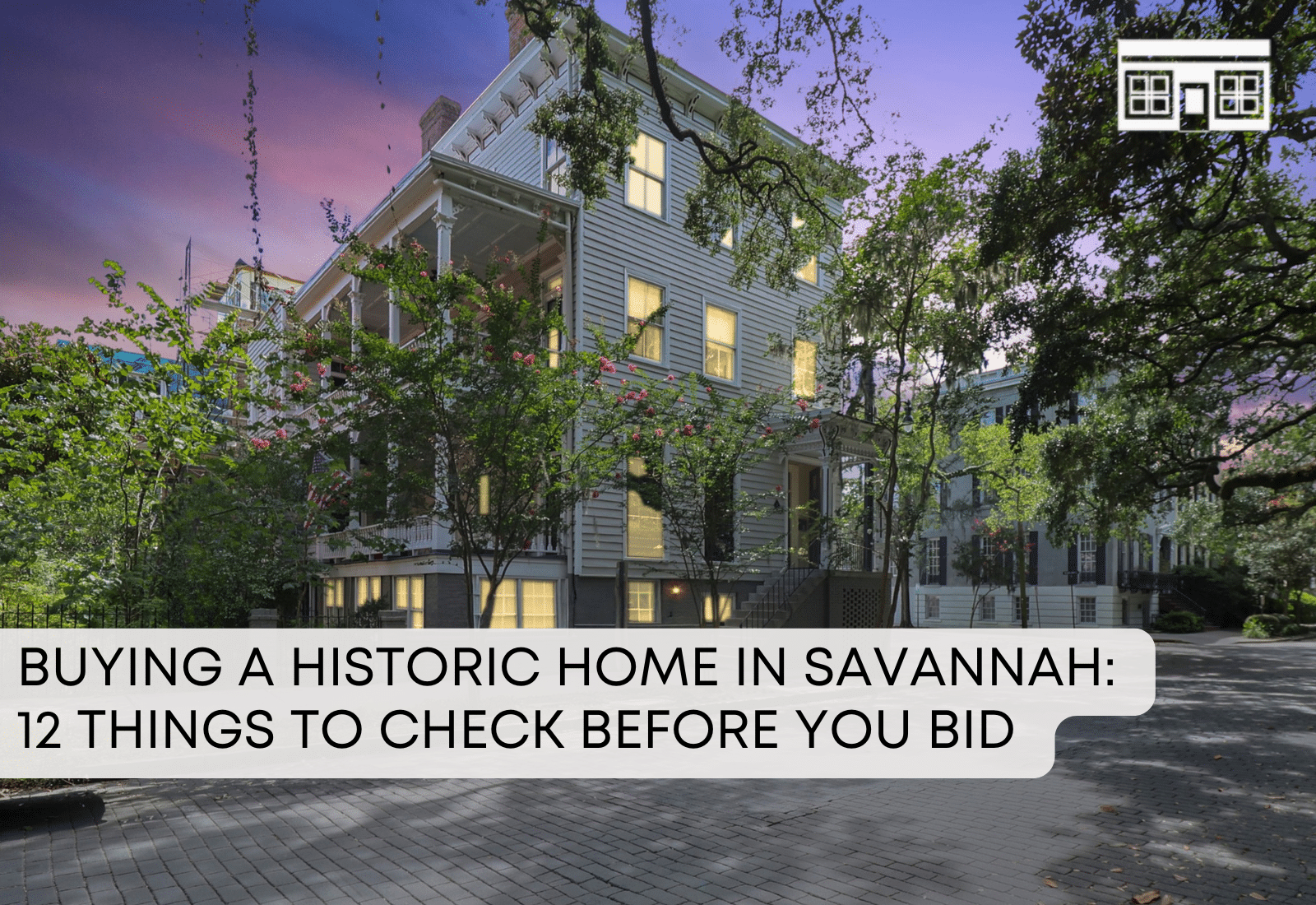
Savannah’s historic homes are some of the most admired properties in the South. The charm, craftsmanship, and character you find here simply cannot be recreated today. From the oak-lined streets of Ardsley Park to the ornate details in the Historic District, older homes offer a living connection to the city’s past.
But buying a historic home also comes with responsibilities. These homes have stood for generations and deserve thoughtful evaluation before you place a bid. The good news is that with the right guidance, the process becomes clear and rewarding rather than intimidating.
This guide covers twelve essential things every buyer should review before making an offer on a historic Savannah home. If you want deeper insight tailored to a specific property, our team is here to support you every step of the way.
1. Structural Integrity: Foundation, Settling, and Moisture Movement
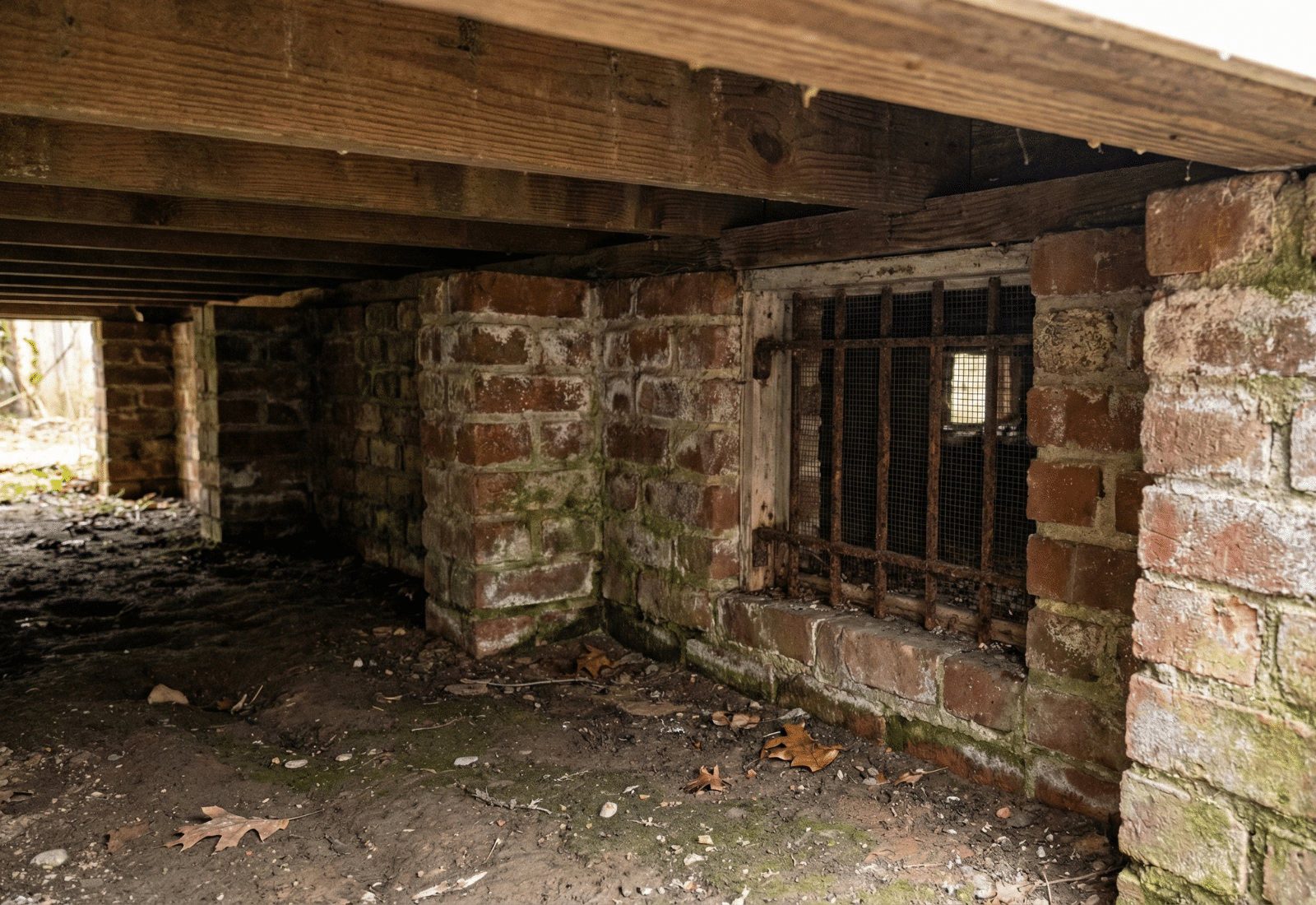
Many historic homes in Savannah rest on original foundations made from brick piers, early concrete, or tabby. Some settling is expected in older homes, but structural shifting, sagging, or moisture intrusion should be evaluated carefully.
Moisture movement is one of the biggest factors affecting historic properties. Savannah’s climate and soil conditions can contribute to wood rot, pier deterioration, and uneven floors. A qualified inspector can help you distinguish normal aging from issues that require attention.
Understanding the foundation early helps you determine whether a home needs minor adjustments or major structural support before you proceed.

2. Roof Age, Materials, and Historic Repair Requirements
Roof systems on historic homes vary widely. You may find cedar shake, standing seam metal, slate, or older architectural shingles. Even if a roof is performing well, its age and material type influence long-term maintenance.
In protected historic districts, certain roofing materials may need to match original style, which can affect future repairs or replacements. Rather than guessing based on age alone, a comprehensive roof evaluation helps you understand current condition, ventilation, and any historic compliance requirements.
A strong roof is essential to protecting everything inside the home, especially older structures with original framing and plaster.
3. Electrical System Condition and Age of Wiring
Historic homes often contain layers of electrical upgrades completed over many decades. Some systems may still include knob and tube wiring, outdated breaker panels, or wiring that no longer meets modern safety standards.
While this is common, it is important to know what type of system you are inheriting. Insurers may require updates before issuing a policy and certain wiring types may need to be replaced for safety. Rewiring a historic home can be more delicate due to plaster walls and original trim, which is why early evaluation matters.
A thorough electrical inspection gives you a clear picture of what to expect and how to plan ahead.
4. Plumbing: Original Lines, Cast Iron, and Galvanized Pipes
Many Savannah homes built before the mid-20th century still have portions of original plumbing. Cast iron waste lines and galvanized supply lines are durable, but both deteriorate in ways that are not always visible.
A sewer line inspection is highly recommended for older homes, especially in neighborhoods with mature trees. Corrosion, blockages, and weakened plumbing can be addressed, but discovering the condition early ensures you know what you are walking into before making an offer.
Plumbing updates are common and manageable as long as you understand what is original and what has been modernized.
5. HVAC, Ventilation, and Climate Control in Older Homes
Historic homes were not originally built for central air conditioning. Over the years, HVAC systems may have been added in creative ways, including limited ductwork or systems placed in areas with tight access.
Poor airflow can contribute to moisture issues, energy inefficiency, and uneven temperatures throughout the house. A review of the system’s age, placement, ventilation, and performance helps buyers understand whether updates are needed.
Correcting ventilation can improve comfort, protect woodwork, and support the long-term health of the structure.
6. Historic District Guidelines and Renovation Rules
If a home is located within Savannah’s Historic District, Victorian District, or another protected area, exterior modifications typically require approval. This can include changes to windows, roofing, additions, and certain architectural elements.
These guidelines exist to preserve the beauty and authenticity of Savannah’s historic neighborhoods. For buyers, they simply mean you should understand what you can and cannot modify before planning renovations.
Rather than viewing these rules as restrictive, many buyers appreciate how they protect property values and maintain the unique character of the community. If you are unsure whether a home is in a regulated district, our team can help you verify and interpret the guidelines.
7. Termite, Pest, and Wood-Destroying Organism History
Savannah’s warm climate means termite and pest inspections are essential when purchasing any home, but especially a historic one. Older homes typically include more wood and more original structural components, which increases the importance of reviewing past treatments and current conditions.
Look for documentation of annual inspections, warranties, and any repairs made as a result of past activity. A clean termite report provides peace of mind and a strong foundation for negotiating repairs if needed.

8. Authentic Windows, Doors, and Historic Woodwork
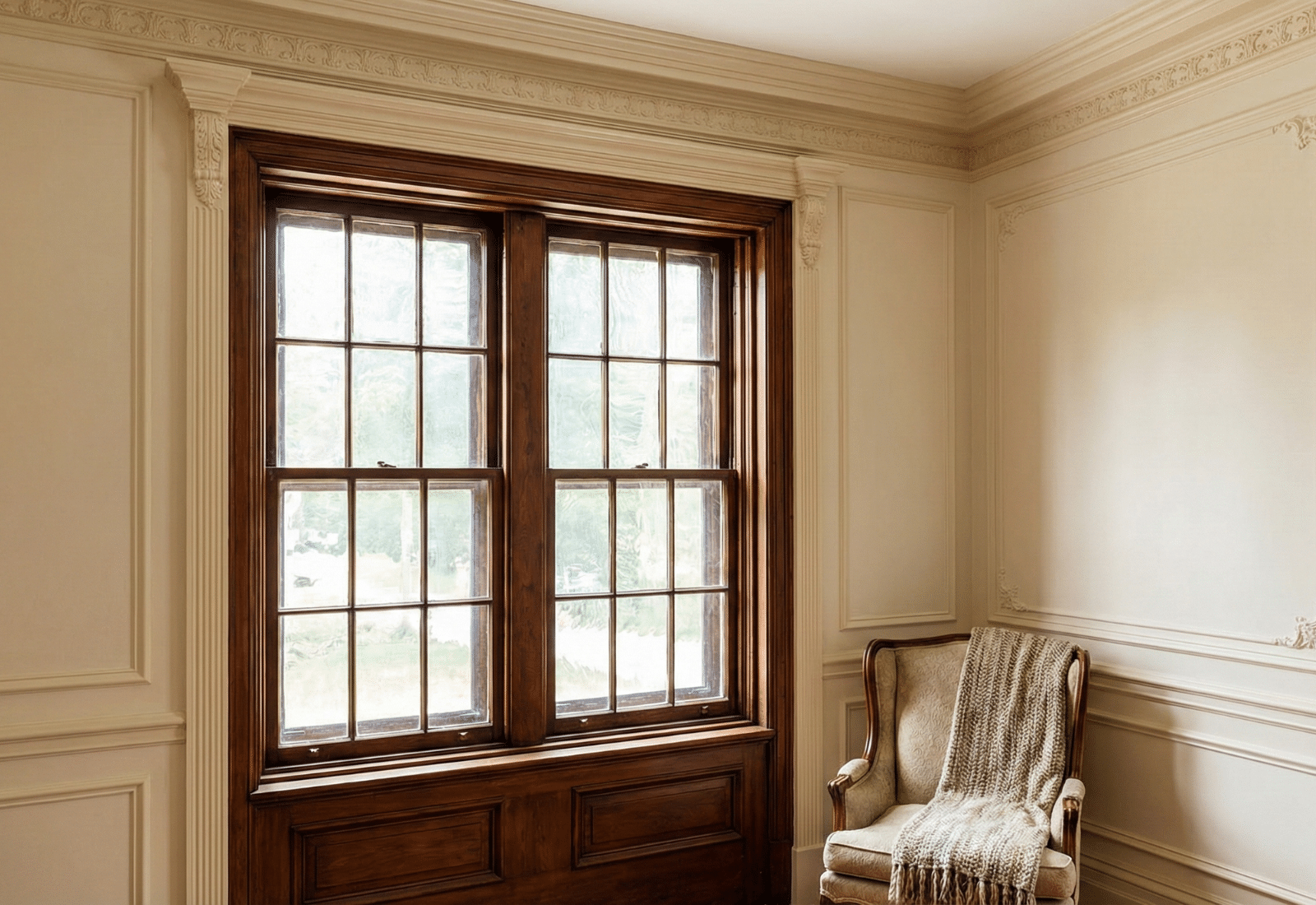
Original windows and doors are part of what makes historic homes so special. They often include craftsmanship that is impossible to replace today. At the same time, they may require restoration rather than full replacement, especially if located in a designated historic area.
Buyers should evaluate the condition of windows, doors, trim, and molding to understand what can be preserved and what may need attention. Well-restored original features add value, authenticity, and curb appeal.
9. Lead Paint and Asbestos in Pre-1978 Homes
Homes built before 1978 may contain lead-based paint or asbestos materials. This is not unusual for historic properties and does not need to be alarming. These materials can often be managed safely with proper guidance and professional assistance.
The key is awareness. Before bidding, buyers should understand where these materials may exist and how they might affect renovation plans. Testing and mitigation are straightforward when handled by licensed professionals.
10. Flood Zone Awareness for Historic Neighborhoods
Savannah’s historic neighborhoods include a mix of elevations and proximity to water. Some areas may fall within federal flood zones while others do not. Because flood maps evolve over time, it is important to check the most current information rather than relying solely on assumptions.
Reviewing flood zones helps you understand potential insurance requirements and long-term considerations. However, flood risk is only one part of evaluating a historic home. Elevation, drainage, and overall location matter just as much.
If you are exploring homes near rivers, marshes, or low-lying areas, our team can help you navigate flood information with clarity and confidence.
11. Past Renovations and the Quality of Previous Work
Most historic homes have undergone renovations at some point. Some updates are beautifully done and maintain the home’s integrity. Others may fall short of modern standards or lack proper permitting.
When evaluating a historic property, review past improvements with an eye for quality, craftsmanship, and compliance. This may include structural alterations, added bathrooms, foundation adjustments, or electrical upgrades.
Knowing what has been updated will help you understand what is still needed and whether the home has been cared for with the respect it deserves.

12. Trees, Landscaping, and Root Impact on Historic Structures
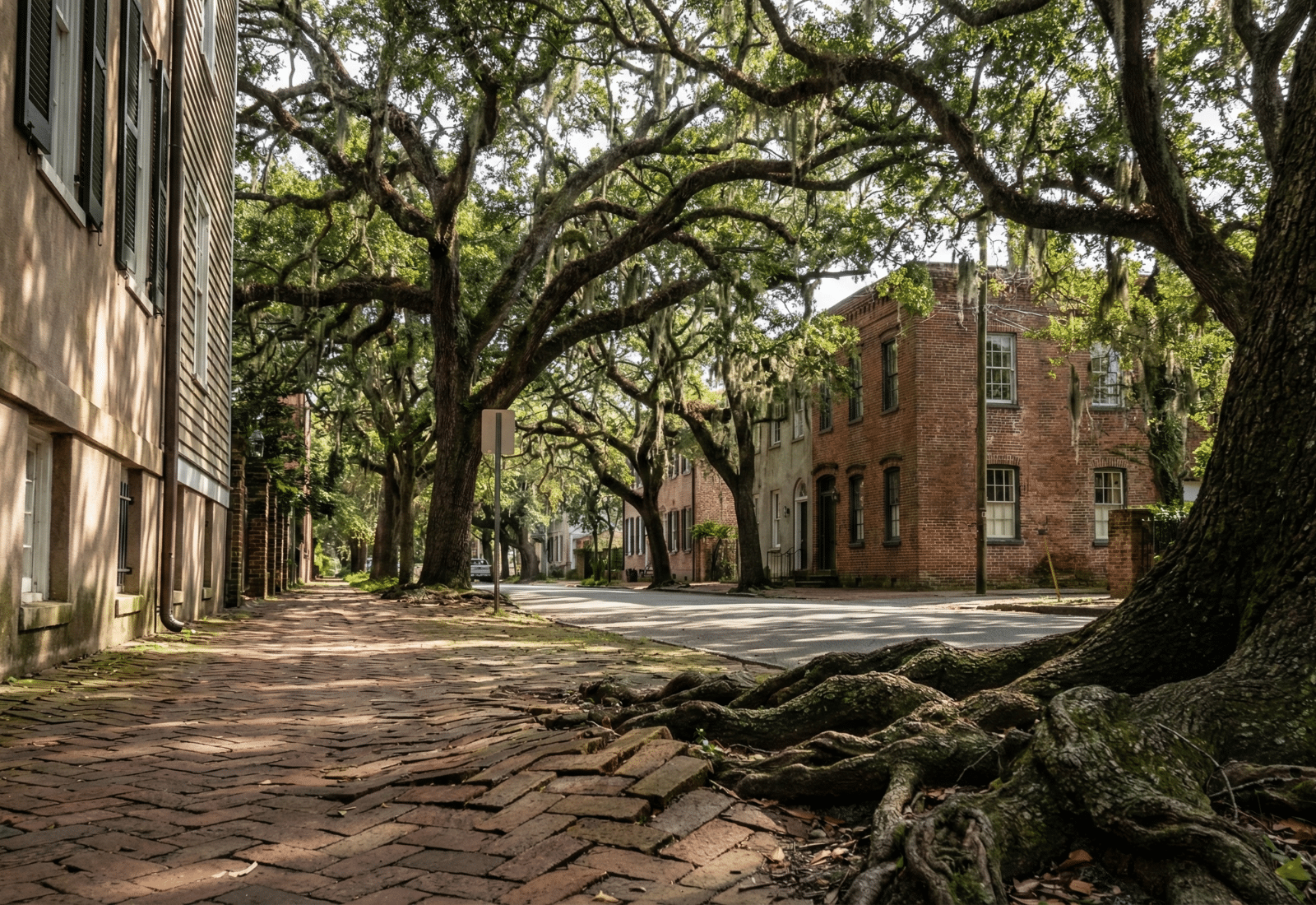
Savannah’s tree canopy is part of the city’s beauty. Large live oaks, magnolias, and other mature trees contribute to the charm of historic neighborhoods. They also require attention in older properties.
Roots can affect foundations, sidewalks, and underground plumbing. Overhanging branches may need professional care. Evaluating tree health and placement is a helpful step that protects your long-term investment.
13. Setting a Realistic Budget for a Historic Home
Historic homes offer incredible character but may require ongoing care. As you plan your purchase, it is wise to consider both immediate needs and long-term maintenance. This does not mean expecting major surprises. It simply means approaching the process with intention and the right information.
A well-maintained historic home can provide decades of enjoyment and exceptional value. Our team can help you identify what is typical, what is unusual, and how to plan comfortably for the home you want.

Your Next Step in the Savannah Historic Home Journey
Buying a historic home is more than a real estate decision. It is choosing a lifestyle, a story, and a connection to the timeless charm that makes Savannah unlike anywhere else. These homes deserve thoughtful evaluation and a team who understands both their beauty and their complexity. When you know what to look for and you have professionals guiding you, the entire experience becomes clearer, more empowering, and ultimately more rewarding.
Every historic property is unique. Some have been lovingly cared for over generations, while others hold incredible potential just waiting to be uncovered. Whether you are drawn to original craftsmanship, architectural character, or the quiet elegance of Savannah’s historic neighborhoods, the right guidance can help you uncover the home that truly fits your vision.
If you are beginning to explore historic homes in Savannah or want support evaluating a specific property before you bid, our team is here to walk you through each step with expertise and genuine care. We understand the nuances of preservation, the importance of thoughtful inspections, and the value these homes hold for the families who choose them.
When you are ready, we will help you move forward with clarity and confidence, so your historic home journey feels as meaningful as the place you will soon call home.