
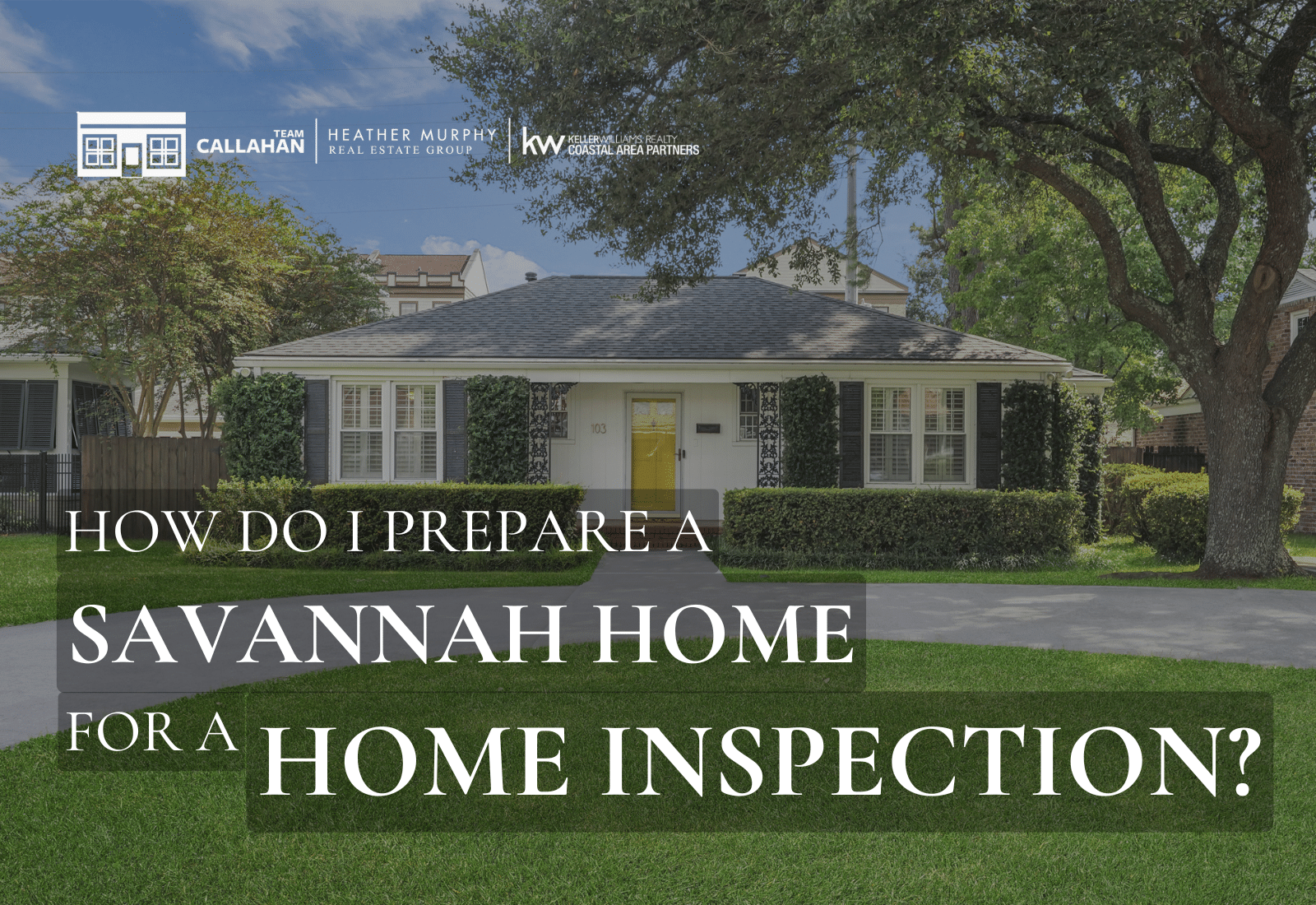
How Do I Prepare a Savannah Home for a Home Inspection?
To prepare a Savannah home for inspection, focus on access, moisture control, safety, and documentation. Make sure every major system is easy to access, address visible water or drainage issues, correct basic safety items, and gather records for repairs or maintenance so the inspector can clearly verify the home’s condition.
In Savannah and Coastal Georgia, inspections often pay closer attention to moisture, crawl spaces, older systems, and exterior drainage. Preparing with those realities in mind helps inspections go smoother and reduces unnecessary negotiation stress.
What a Home Inspection in Savannah Really Evaluates
A home inspection is a visual review of the property’s accessible components. Inspectors are not tearing into walls or predicting the future, but they are trained to flag conditions that could affect safety, function, or long-term durability.
In Savannah, Pooler, Richmond Hill, Wilmington Island, and nearby areas, inspectors commonly focus on:
-
Roof condition and attic ventilation
-
Plumbing leaks and drainage
-
Electrical safety, especially in older homes
-
HVAC operation and serviceability
-
Exterior wood, porches, and railings
Understanding this scope helps sellers prepare efficiently instead of overdoing cosmetic fixes that don’t impact inspection results.
A Smart, Step-by-Step Inspection Prep Plan
One to Two Weeks Before Inspection: Plan and Prioritize
This is the best window to address issues calmly instead of rushing.
Start with a full walkthrough of your home as if you were the inspector. Open cabinets, look under sinks, test faucets, flush toilets, flip light switches, and listen for unusual sounds. Anything you notice, an inspector likely will too.
Next, decide what you will repair versus what you will disclose. Not every older home will be perfect, especially in historic or established Savannah neighborhoods. The goal is not perfection, but clarity and safety.
If your home has a crawl space, check for standing water, loose vapor barrier sections, or visible plumbing drips. Moisture-related issues are one of the most common inspection concerns in Coastal Georgia.
Three to Five Days Before Inspection: Address High-Impact Items
This phase focuses on items that most often affect buyer confidence.
Access Is Critical
Inspectors can only report on what they can safely see.
-
Clear paths to the attic access, crawl space entrance, and electrical panel
-
Unlock gates, sheds, and detached structures
-
Move stored items away from water heaters and HVAC equipment
Lack of access can result in inspection notes that worry buyers even when no real issue exists.
Moisture and Drainage
Savannah’s humidity and rainfall make water management especially important.
-
Clean gutters and ensure downspouts direct water away from the home
-
Remove debris near the foundation that traps moisture
-
Look for soft wood on decks, steps, railings, and porch supports
These small steps can prevent moisture-related red flags in the report.

Crawl Space Preparation: A Major Savannah Inspection Focus
Many Savannah homes, especially in Ardsley Park, Wilmington Island, and older in-town areas, have crawl spaces. This area often gets the most attention during inspections.
Before inspection:
-
Remove stored items that block visibility
-
Check for obvious plumbing leaks or condensation
-
Ensure the vapor barrier covers exposed soil where possible
-
Make sure vents are not blocked
Crawl spaces don’t have to look brand new, but they should look dry, accessible, and monitored.
Attic and Roof Readiness
Inspectors look for signs of water intrusion, ventilation issues, and roof wear.
Preparation steps:
-
Make attic access easy and safe to enter
-
Look for water stains, damp insulation, or musty odors
-
Confirm bathroom exhaust fans vent outside, not into the attic
If the roof has been repaired or replaced, gather documentation so the inspector and buyer can confirm age and work performed.

Plumbing: Small Fixes That Matter
Minor plumbing issues can create outsized concern during inspections.
Focus on:
-
Repairing dripping faucets
-
Fixing slow drains
-
Securing toilets so they do not rock
-
Checking under sinks for active leaks
-
Making sure the water heater area is clear and visible
These fixes are usually inexpensive but make a big difference in how the home is perceived.
HVAC Systems: Function and Maintenance Matter
Buyers pay close attention to HVAC condition, especially during inspections.
Before inspection:
-
Replace air filters
-
Clear debris around outdoor units
-
Make sure thermostats work properly
-
Have service records available if maintenance was recently done
Even older systems can inspect well when they are clean, functional, and maintained.

Electrical Considerations in Older Savannah Homes
Savannah’s historic and mid-century homes often have older electrical components that inspectors will note.
Preparation includes:
-
Ensuring the electrical panel is accessible
-
Replacing broken outlet or switch covers
-
Securing loose outlets or exposed wiring
-
Confirming GFCI outlets function in kitchens, bathrooms, and exterior areas
Inspection reports often mention outdated systems without calling them unsafe. Providing context and documentation helps keep those notes from becoming deal obstacles.
Termite and Wood-Destroying Organism Awareness
Termite activity is common in Georgia, and many transactions include a separate termite inspection.
To prepare:
-
Remove wood-to-soil contact near the home
-
Pull mulch back from siding
-
Check door and window frames for soft or damaged wood
-
Clear crawl space access for visibility
Even if prior treatment exists, keeping these areas visible helps inspections go smoothly.

What Not to Do Before Inspection
Avoid trying to hide issues. Fresh paint over water stains or quick cosmetic patches without explanation can raise more questions than they solve.
Also avoid starting major DIY projects right before inspection unless you are fully confident in the work. Poor repairs often get flagged more harshly than original defects.
If there is a known issue you are not repairing, clear disclosure is usually the better path.
Common Seller Questions About Inspection Prep
Should I get a pre-listing inspection?
In many cases, yes. Older homes, crawl space properties, or homes with known maintenance history often benefit from knowing what buyers will see ahead of time.
Do I still have to disclose repairs?
If a condition existed and was repaired, disclosure may still be appropriate depending on the situation. Clear documentation helps buyers understand the full picture.
What repairs matter most before inspection?
Active leaks, moisture entry, safety hazards, HVAC issues, and access limitations typically have the biggest impact.
Common Buyer Questions About Inspections
Is a home inspection the same as an appraisal?
No. An inspection evaluates condition, while an appraisal evaluates value for the lender.
Should buyers attend the inspection?
When possible, yes. It’s one of the best opportunities to understand the home’s systems and maintenance needs.
Are inspections different for island or coastal homes?
They often include closer attention to drainage, moisture behavior after storms, and flood-related considerations.
Preparing With Confidence
A smooth inspection isn’t about having a perfect home. It’s about being prepared, transparent, and proactive. When sellers focus on access, moisture control, safety, and documentation, inspections tend to be more informative than intimidating.
If you’re preparing to sell in Savannah, Pooler, Richmond Hill, Wilmington Island, or nearby communities and want help prioritizing what truly matters for your home, the Heather Murphy Real Estate Group is always available to provide thoughtful, neighborhood-specific guidance so you can move forward with confidence.