

Savannah Historic District Real Estate: Regulations, Risks, and Rewards
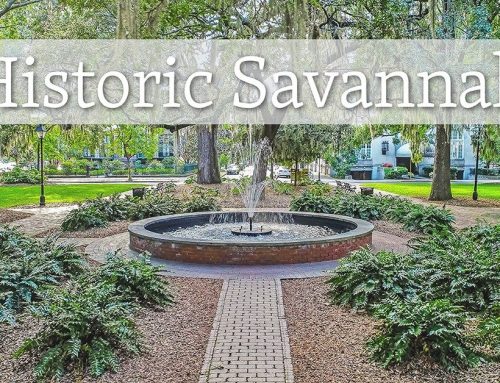
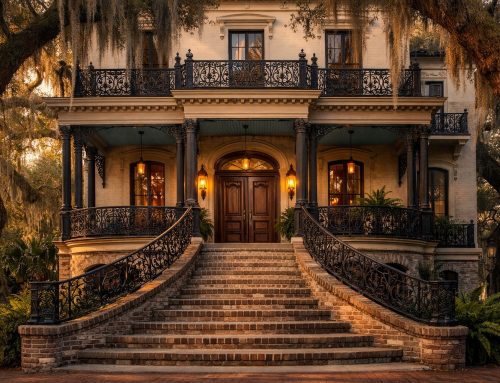
To live in historic Savannah is to be surrounded by stories. It is the soft glow of gas lamps on cobblestone, the cathedral-like canopy of centuries-old oaks, and the unique history whispered by every graceful front door. For the discerning owners of these architectural treasures, a central question often arises: “How do I honor the irreplaceable character of my historic home while enjoying the comforts and conveniences of modern life?”
The answer lies not in choosing one over the other, but in a masterful and thoughtful fusion. The most valuable and desirable Savannah historic homes are not frozen in time. Instead, they artfully blend architectural integrity with modern luxury, creating a living experience that is both timeless and perfectly suited for today. As real estate matchmakers who have guided clients through more than $1.3 billion in sales, we know that this thoughtful integration is the key to maximizing both your lifestyle and your property’s value.
Key Takeaways
- Value Enhancement: Thoughtfully integrating modern amenities into a historic home increases its market value by enhancing livability and appealing to a broader range of luxury buyers.
- Seamless Integration is Key: The most successful modernizations are those that respect the home’s original character, such as hiding high-end appliances in period-style cabinetry or using materials that complement original features.
- “Invisible” Upgrades Matter: High-efficiency HVAC systems, smart home technology, and restored original windows provide significant modern comfort without altering the home’s historic aesthetic.
- Expert Guidance is Crucial: Navigating Savannah’s Historic District guidelines requires a team of professionals—from architects to Top Savannah Realtors—who have deep experience in historic preservation.
Current Historic Homes for Sale in Savannah’s Historic District
Regulated Real Estate
The Savannah Historic District represents one of the most structurally distinct, culturally significant, and highly regulated real estate markets in the United States. The underlying value of a Savannah historic home is inextricably linked to its architectural provenance, its placement within the legendary Oglethorpe Plan, and its compliance with a rigid regulatory framework designed to preserve the city’s physical and cultural narrative.
Regional Economic Drivers
The Savannah housing market is supported by a robust and diversifying local economy. According to comprehensive housing market analyses by the U.S. Department of Housing and Urban Development, the Savannah economic hub fully recovered the jobs lost during the global pandemic and has continued to expand.
The wholesale and retail trade sector accounts for the largest share of total jobs at approximately 15%, heavily supported by the region’s massive tourism apparatus.1 The leisure and hospitality sector accounts for another 14%, while education and health services contribute 14%, and professional and business services make up 13% of the workforce.1 Government jobs, spanning federal, state, and local levels, account for 12% of employment, providing a stable economic baseline.
Strategic modernization is not about erasing the past; it is about making it more livable and appealing for the future. When done correctly, this process significantly elevates a property’s standing in the competitive Savannah real estate market, transforming it from a beautiful relic into a highly sought-after residence.
Enhancing Livability for the Modern Savannah Lifestyle
Today’s homeowners use their spaces differently than those who originally built these magnificent properties. A modern lifestyle demands more than just historical charm. It calls for functional, open kitchens designed for entertaining guests, spa-like bathrooms that serve as private sanctuaries for relaxation, and energy-efficient systems that provide consistent comfort while managing utility costs. Upgrading a home to sell is not just about aesthetics; it’s about aligning the home’s function with the expectations of contemporary life, ensuring every square foot is both beautiful and practical.
Expanding Your Appeal in the Luxury Market
From a seller’s perspective, a historic home with tasteful, modern updates is a powerful asset. It attracts a wider and more discerning pool of potential buyers. Many individuals are captivated by historic character but are understandably hesitant about the perceived upkeep and potential discomforts of an “old house.”
A property that has already integrated modern electrical, plumbing, and climate control systems, alongside a beautifully renovated kitchen and baths, removes this intimidation factor. It presents a turnkey solution, making your property a top contender among Savannah luxury homes for sale. This careful curation demonstrates that a home’s history has been honored while its future has been secured—a combination that commands a premium price.
The Ultimate Guide to Buying a Historic Home in Savannah, GA
The Art of the Seamless Blend: Key Areas for Modernization
Successfully integrating modern amenities without compromising historical character is a delicate art form. It requires a deep appreciation for the home’s original design and a commitment to quality craftsmanship. Here are some key areas where this blend can be achieved with stunning results.
The Heart of the Home: The Historic Kitchen, Reimagined
Historically, kitchens were purely functional, often small and isolated spaces. Today, the kitchen is the central gathering point of the home. The goal of a historic kitchen renovation is to create an inviting, high-performance space while preserving its soul.
- Integrated Appliances: Conceal professional-grade appliances, like a Sub-Zero refrigerator or a Wolf range, behind custom cabinetry meticulously designed to match the home’s original millwork and style. This provides state-of-the-art functionality without visual disruption.
- Complementary Materials: Use durable, elegant materials that honor the home’s aesthetic. A thick slab of Calacatta marble or durable quartz can complement original heart-pine floors beautifully. Avoid common mistakes when upgrading the kitchen by choosing finishes that feel both timeless and appropriate for the home’s era.
- Preserving Architectural Details: Improve the flow and introduce more natural light where possible, but always work to preserve key architectural elements. An original fireplace, exposed brick wall, or a beautifully restored set of windows can serve as the stunning centerpiece of a modernized kitchen.
From Utilitarian to Unwind: Creating a Spa-Like Historic Bathroom
Older bathrooms were often an afterthought—cramped, dark, and purely utilitarian. Transforming these spaces into luxurious private retreats is one of the most impactful renovations that increase home value.
- Modern Fixtures, Classic Feel: Install a spacious, walk-in frameless glass shower or a classic freestanding tub to create a sense of openness and luxury.
- Subtle Comforts: Incorporate modern comforts like radiant heated floors, custom lighting on dimmers, and quiet, efficient ventilation systems. These elements dramatically improve the experience of the space.
- Period-Appropriate Finishes: Maintain a cohesive aesthetic by selecting tile patterns, fixtures, and hardware that reflect the home’s architectural period. A classic hexagonal floor tile or polished nickel faucets can feel perfectly at home within a historic context while offering modern performance.

“Invisible” Luxuries: Smart Technology and Efficiency
Often, the most impactful upgrades are the ones you feel rather than see. These “invisible” luxuries make a historic home profoundly more comfortable, secure, and efficient without altering its visual character.
- High-Efficiency Climate Control: A zoned, high-efficiency HVAC system is one of the single best investments for a historic property. It provides consistent, room-by-room comfort and can significantly lower energy bills, a welcome relief from the drafts and temperature swings common in older homes.
- Smart Home Integration: Modern technology can be discreetly integrated to control lighting, security systems, and climate from a smartphone. This adds a layer of convenience and security that modern buyers expect.
- Window Restoration: Rather than replacing irreplaceable historic windows, consider professional restoration. This process can dramatically improve energy efficiency by repairing seals, adding weatherstripping, and reglazing, all while preserving the original glass and craftsmanship that contribute so much to a home’s charm.
Honoring the Rules: Navigating Preservation with a Plan
One of the most significant considerations when updating a historic property in Savannah is navigating the city’s preservation guidelines. This process can seem daunting, but it is essential to view it not as a prohibition, but as a protective measure designed to safeguard the city’s unique architectural heritage and, by extension, the very property values that make these homes such a sound investment.
Understanding Savannah’s Historic District Guidelines
The Savannah Historic District Board of Review exists to ensure that any modifications to properties within the district are appropriate and do not detract from the area’s historical significance. The rules for owning a historic home govern everything from paint colors and window replacements to additions and major renovations. Understanding these guidelines before planning a project is the first step toward a successful outcome.
Why Expert Guidance is Non-Negotiable
Attempting to navigate this complex landscape alone is a significant risk. The key to success is assembling a team of professionals who have a proven track record with Savannah historic homes. This includes architects who specialize in preservation, contractors who understand historic building methods, and real estate professionals who know the intricacies of the market.

An experienced real estate agent does more than just list a property; they act as a strategic advisor. The Top Savannah Realtors understand how to position a modernized historic home, articulating its value to potential buyers and ensuring that all renovations contribute positively to its final sale price. This expert guidance is crucial for protecting your investment and achieving your goals.
Home Prices in Savannah’s Historic District
While the Savannah market is often viewed as a monolith of high value, a closer look at the data reveals a profound variance between the North and South Historic Districts. In the North District, a significant “bid-ask spread” suggests a market in flux: while the median listing price hovers at $1,500,000, the median sold price recently stood at just $699,300. This $800,000 paradox is compounded by a lack of liquidity, with properties in the North averaging a staggering 102 days on market. This gap typically signals properties requiring extensive, high-cost rehabilitations that buyers are factoring into their final offers.
In contrast, the South Historic District demonstrates far greater stability and realized value. With a median listing of $1,600,000 and a median sold price of $1,200,000, the spread is tighter and the appreciation more aggressive. In certain premium pockets of the South District, realized values have surged to as high as $1,120 per square foot.
| District Sub-Market | Median Listing Price | Median Sold Price | Days on Market |
| North Historic District | $1,500,000 | $699,300 | 102 Days |
| South Historic District | $1,600,000 | $1,200,000 | (Variable) |
| Savannah Overall | N/A | $370,000 – $380,000 | 52 Days |
Spiritual Architecture: The “Haint Blue” Moat
The valuation of a Savannah home often includes “intangible” cultural elements. One of the most ubiquitous is “Haint Blue” paint on porch ceilings. Originating from Gullah Geechee culture, the hue was intended as a “spiritual moat” to trick restless spirits (“haints”) into thinking the ceiling was water or the sky, preventing them from entering. Practically, the original indigo and lye mixture also repelled insects.
Today, porch aesthetics are strictly regulated. The Historic District Board of Review (HDBR) forbids painting previously unpainted historic masonry, but for wood elements, owners often turn to the “The Colors of Savannah” palette—a collaboration between Sherwin-Williams and the Savannah College of Art and Design (SCAD). Utilizing specific codes like Dutch Tile Blue (SW 0031) or Acanthus (SW 0029) ensures rapid staff-level approval and maintains the city’s curated historical narrative.

The 20% Rule: The Battle for the “Grandfathered” Certificate
For those targeting the Short-Term Vacation Rental (STVR) market, the regulatory landscape is a minefield of quotas. The city imposes a strict 20% ward cap on residential parcels. Once a ward hits this limit, no new licenses are issued, and applicants are placed on a waitlist.
However, “Grandfathered Certificates” (issued before September 2017) carry powerful protections. These certificates are transferable to a new buyer, provided the transfer occurs through the Rentalscape portal within six months of the property sale. These certificates are essentially turnkey revenue streams that bypass the ward cap, commanding a significant market premium. For those without a certificate, the “Owner-Occupied Exemption” remains the only viable shortcut, allowing owners to rent a carriage house while residing in the main dwelling.
Your Partner in Marrying Past and Future: The Heather Murphy Real Estate Group
Successfully buying or selling a historic home that blends modern amenities with historic preservation requires a nuanced understanding of architecture, market desires, and true value. It demands more than a transactional approach; it requires a genuine passion for these unique properties.

We’re Not Just Agents; We’re Real Estate Matchmakers
Our passion is connecting buyers who appreciate this unique blend with sellers who have lovingly curated it. We understand the story your home tells and the potential it holds for its next chapter. We see beyond the floor plan to the lifestyle a home offers, and we excel at finding the perfect person to continue its legacy.
A Luxury Experience Backed by Unmatched Results
As a testament to our commitment, our award-winning team has managed over $1.3 billion in sales and is recognized in the Top 1% of all Realtors in the nation. We don’t just sell houses; we deliver a luxury experience and exceed every client’s expectations, regardless of the price point. Most of our new business comes from past client referrals—the ultimate measure of a job well done. Whether you are preparing your historic treasure for the market or searching for the perfect one to call home, our team has the expertise to guide you through every step.

Beyond the Title Deed
Owning a piece of the Savannah Historic District is an investment in America’s foundational architectural history, but it is one that requires acute risk management. Beyond the structural threats, buyers must account for the city’s flood topography. For properties in high-risk zones, securing an Elevation Certificate (EC) is critical; a home rated without an EC can face annual premiums of $3,752, while one with an EC showing a floor just one foot above the Base Flood Elevation can see that cost drop to 829. Furthermore, non-primary residences face a **250 annual surcharge** and aggressive 25% annual premium increases until they reach full-risk rates.
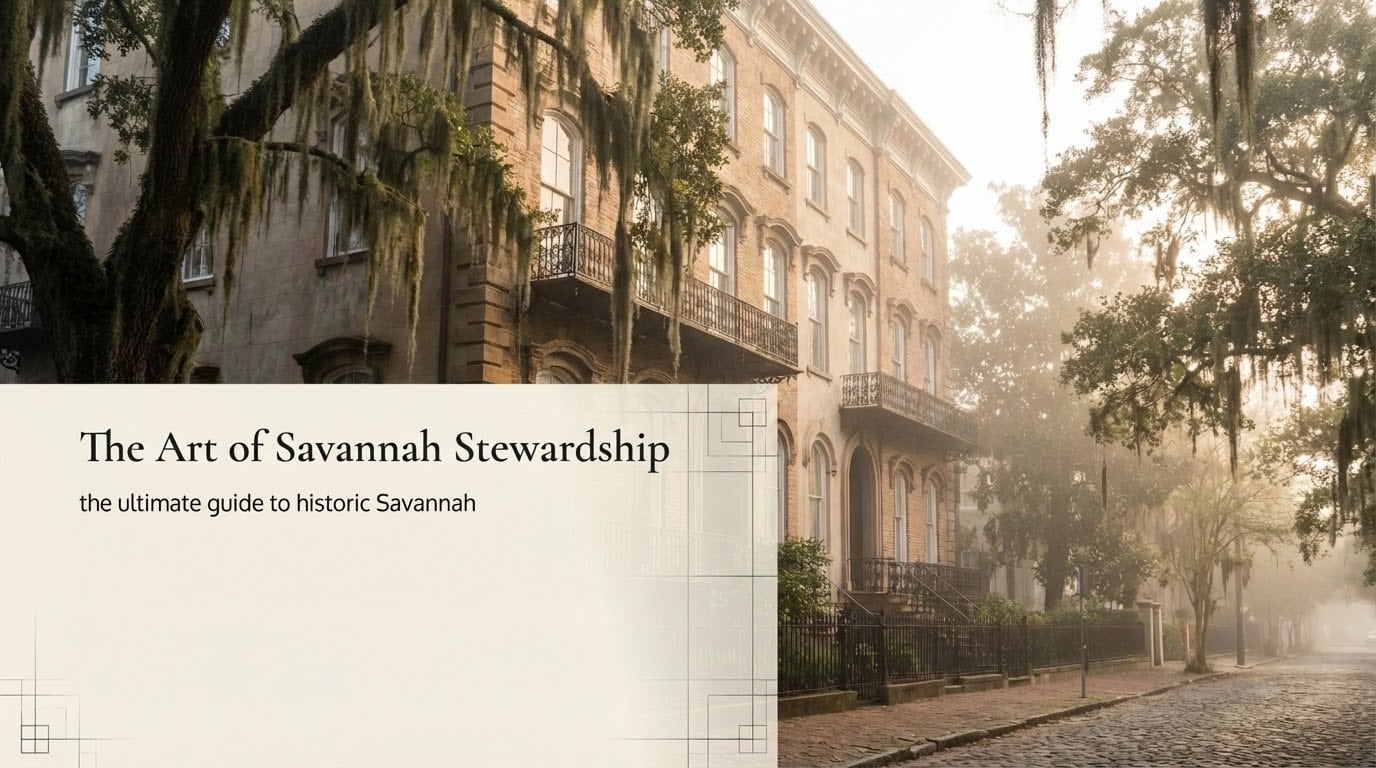
Ultimately, to buy a home here is to accept a responsibility that goes beyond the title deed. It is a commitment to the Oglethorpe Plan—a promise to preserve the symmetry, the stories, and the structural integrity of one of the world’s most unique urban grids for the next generation of stewards.
Contact Information:
- Website: heathermurphygroup.com
- Phone: (912) 200-4091
- Contact Page: heathermurphygroup.com/contact/